Before we colonize Mars, let's learn how to live with Earth.
1,250 hectares between three rivers in Uruguay, bought and governed by the thousand people who live on it.
01 The thesis
They want to be a
galactic civilization.
We are not yet a
planetary one.
Every plan to leave assumes we finished here. We did not. We are pitching stellar engineering while a third of the food rots and almost all of the land sits empty. The unfinished work is not out there. It is underfoot.
1%
of the habitable land on Earth is inhabited.
38%
of the world's food goes unsold or uneaten.
50
months of an average life, spent inside a vehicle.
70%
of humanity will live in cities by 2050.
99%
of the habitable land has no roads, no water, no power and no law. Those are solved problems — never solved together, on purpose, on a clean site.
02 Comparative spec sheet
Earth ships
pre-terraformed.
Both columns describe a place where a thousand people could live. One requires inventing a biosphere. The other requires a road, a jetty and a land-use policy.
Scroll the table sideways
| Specification | Mars | Isla de Lobos |
|---|---|---|
| Surface gravity | 0.38 g | 1.00 g |
| Mean surface temp. | −63 °C | +17 °C |
| Atmospheric pressure | 0.6% of Earth | 100% |
| Breathable air | None — 95% CO₂ | Included |
| Radiation shielding | None — must be built | Magnetosphere, standard |
| Liquid surface water | None | Three rivers, at the shoreline |
| Soil | Perchlorate-laden regolith | Alluvial, arable, 412 years grazed |
| Existing biosphere | 0 species | ~4 billion years, still running |
| Transit time | 7–9 months | 3 hours from Buenos Aires |
| Departure window | Every ~26 months | Every morning, 20 min by boat |
| Hardest open problem | Keeping people alive | Agreeing how to live |
| Mars figures are published planetary averages. Lobos figures are site measurements and travel times. | ||
03 The island
A real island,
owned by the
people on it.
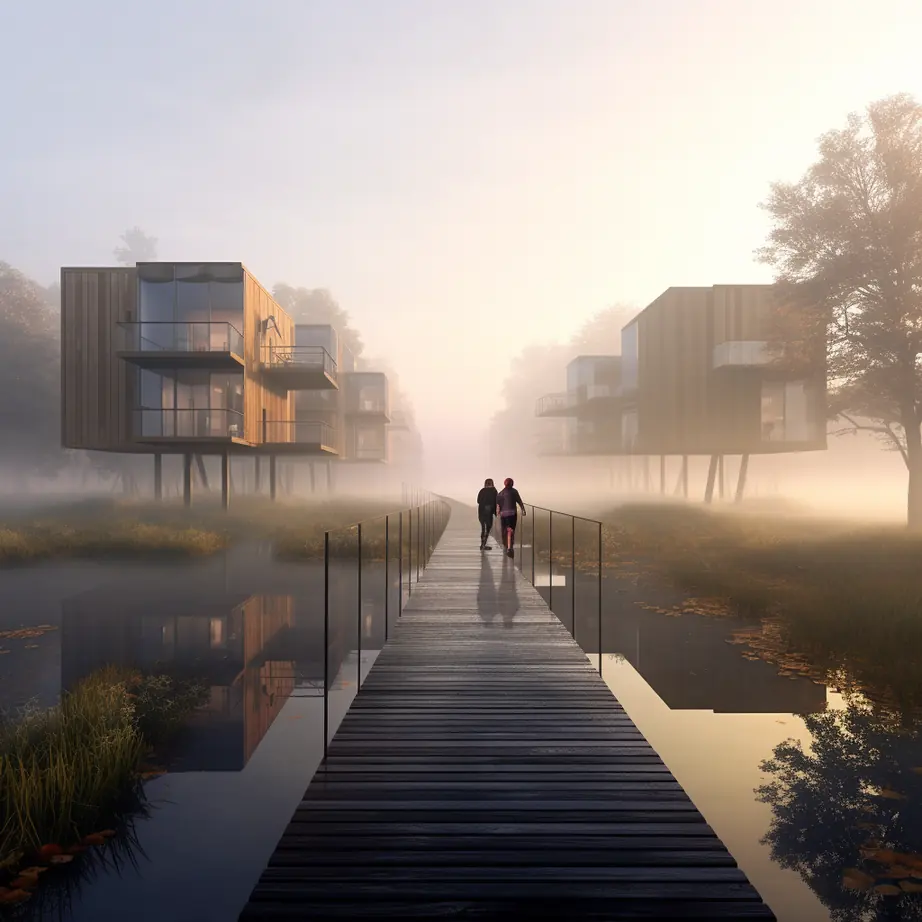
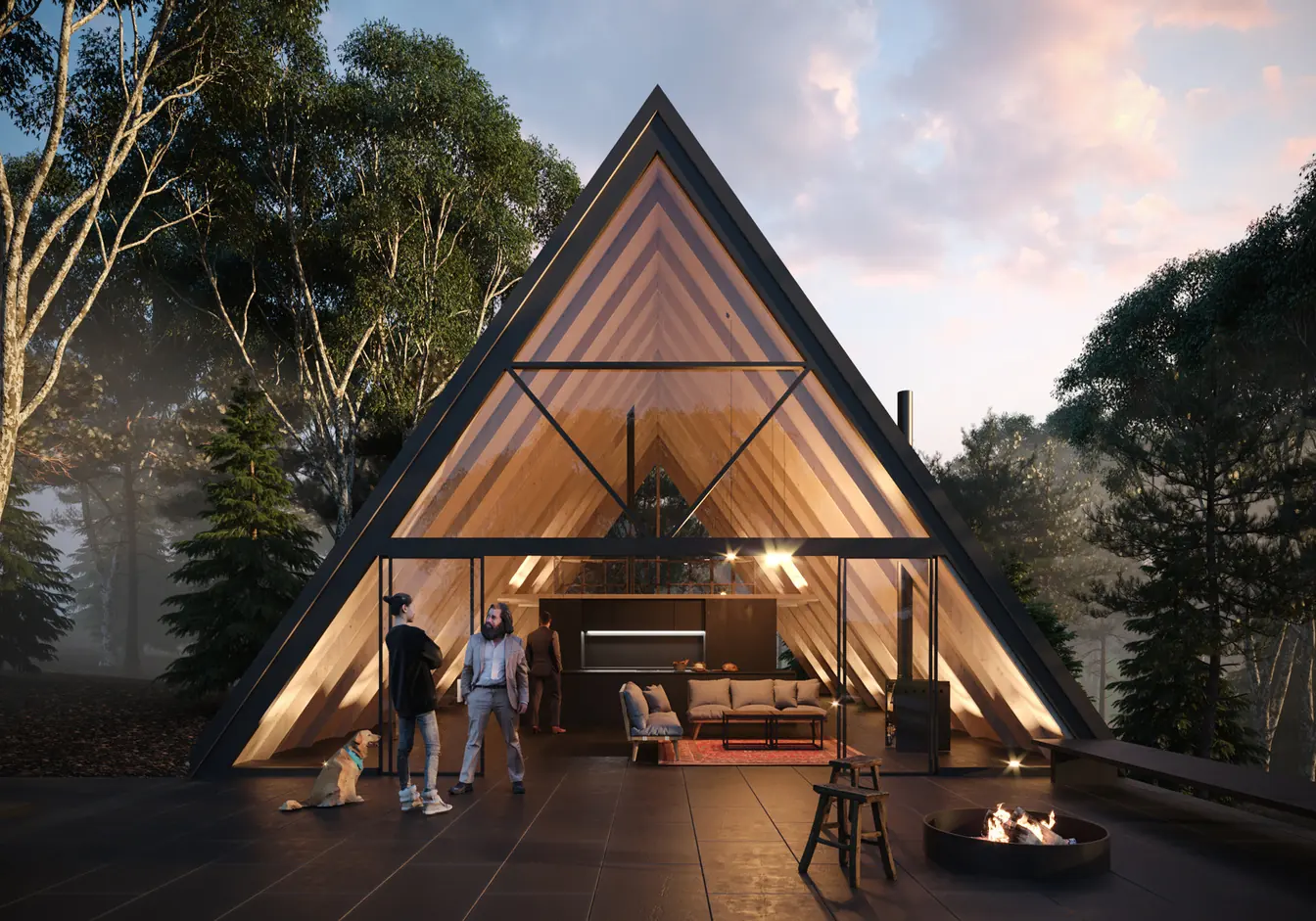
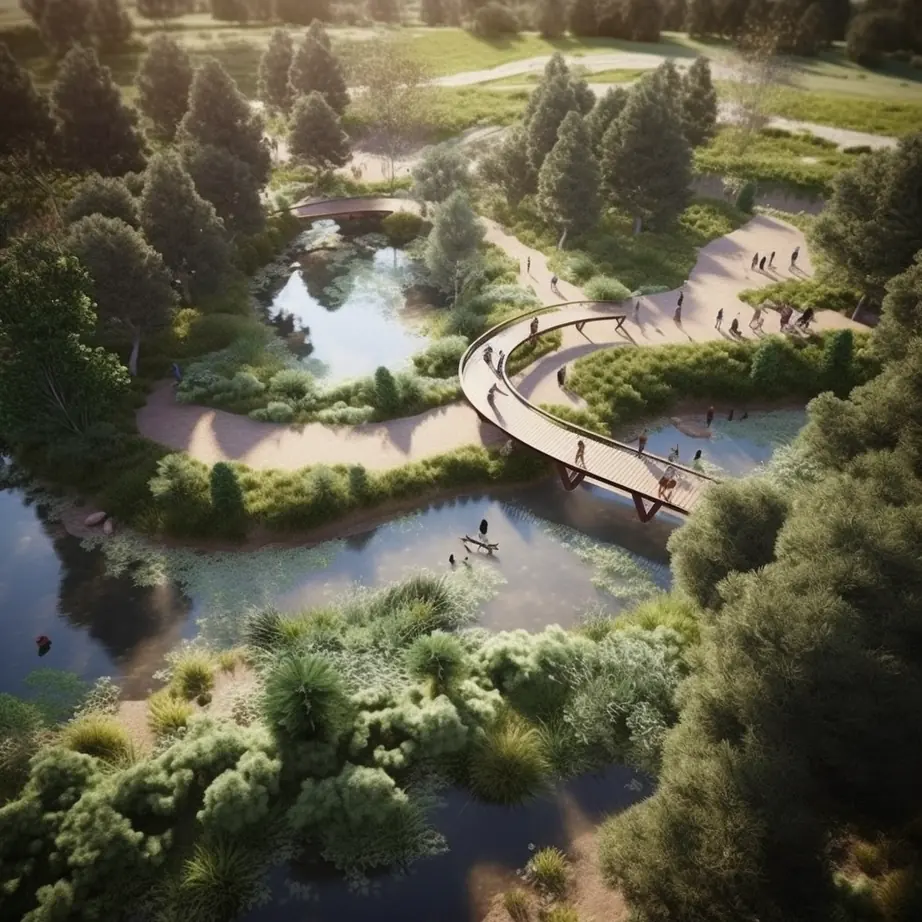
Where the Río Negro meets the Río Uruguay, three hours from Buenos Aires. Seven hundred and fifty of the 1,250 hectares are a biodiversity reserve that is never built on — the reason the other five hundred are worth anything. Disney designed a city like this once, and nobody who lived there owned a thing, so it was never built. This is the inverse: green in the middle, people at the edge, and the keys belong to the people holding them.
Isla de Lobos — the lot plan
648 surveyed lots · 352 units in buildings · 1,000 in all
60% of the island is never built on. That covenant sits in the land-use policy, not in a brochure.
It's not a smart city. It's a wise one.
04 What's checkable
Everything here
can be verified
by a stranger.
Most projects like this ask for trust. This one is built so you don't have to give any: the boundary is in a public registry, the money moves through a multi-signature wallet, and the votes are on a public chain.
The land
- Boundary publicly checkable against Uruguay's Dirección Nacional de Catastro
- 1,250 hectares in departamento de Río Negro
- 750 hectares held as permanent reserve, never developed
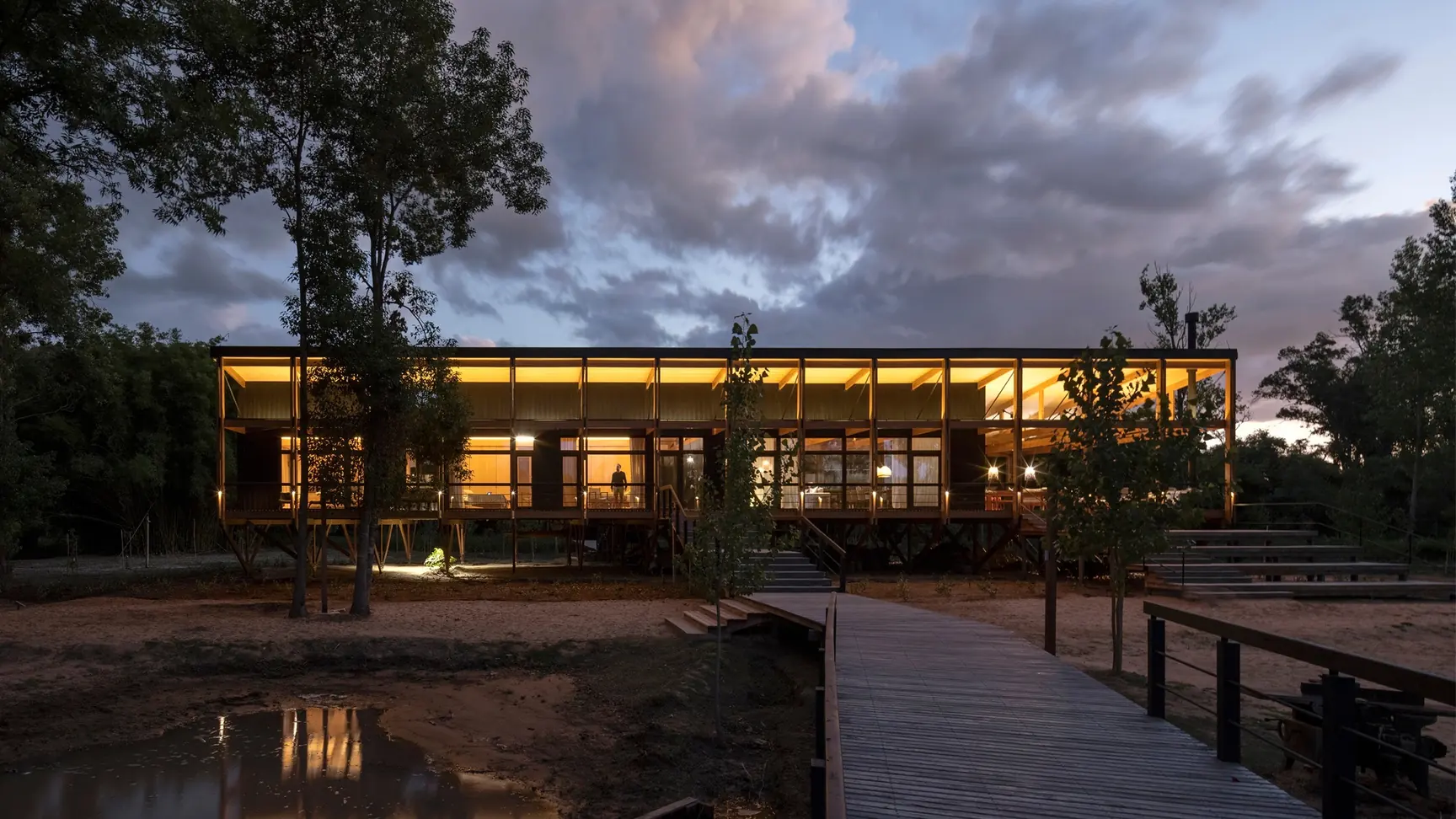
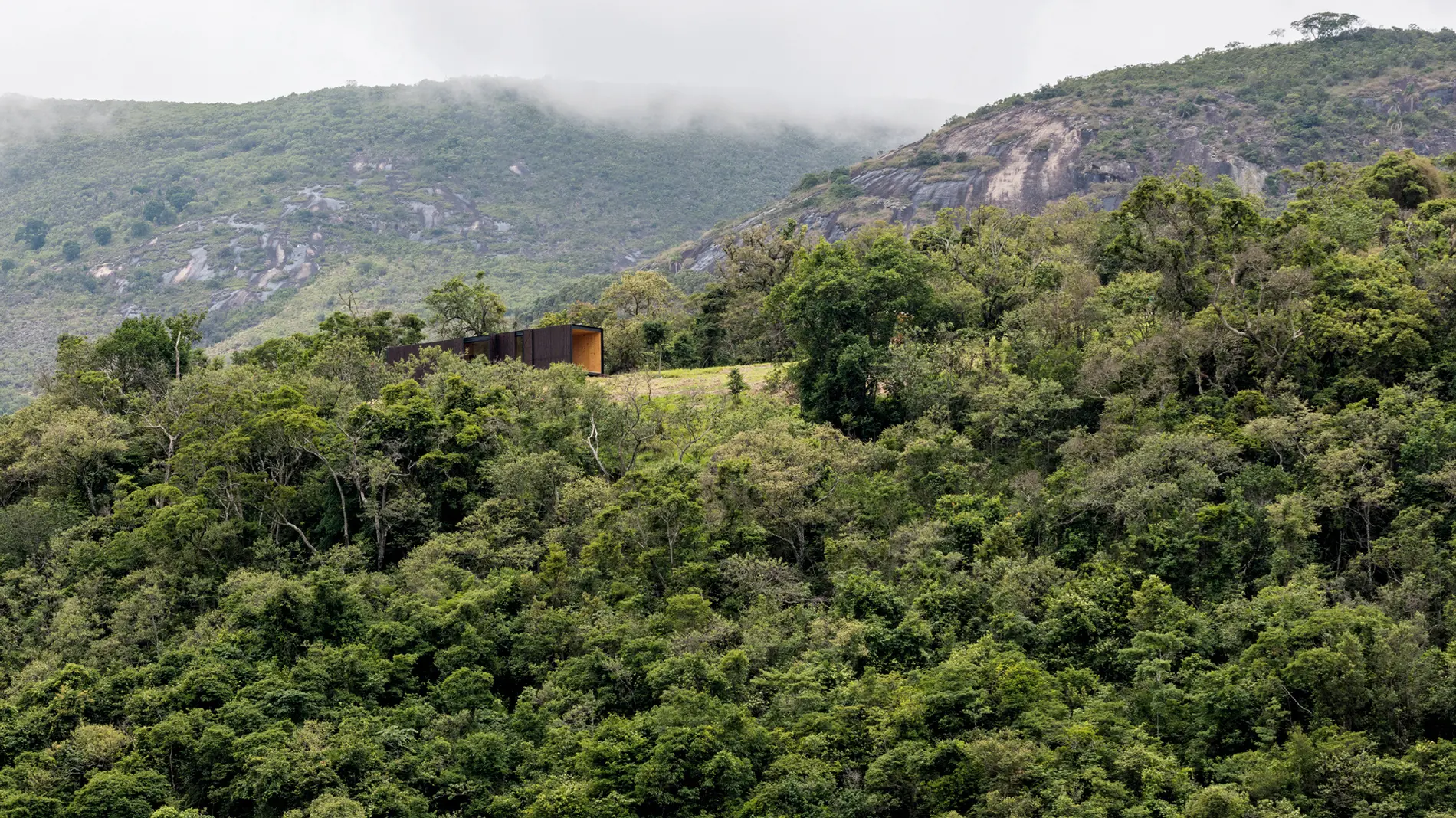
- Real photographs of the actual site — not only renders
The structure
- LOBOS DAO LLC — tokens bound to a trust structure under Uruguayan property law
- Eight Treasury Guardians, elected by the DAO
- Treasury moves only through a multi-signature wallet
- Rotating Auditor Board, elected annually, independent of the founders
The protocol
- Ten layers: governance, water, food, waste, energy, mobility, culture, education, regeneration, ecosystem-integrated development
- Mandatory environmental impact reviews on every build
- 5% of treasury committed to bioconservation
- Weekly progress published on-chain
Decisions aren't made in secret. They're made on-chain.
05 Ownership
Digital freedom,
legal certainty.
Ownership is dual-layer. On-chain, a key is a token. On land, it is an enforceable instrument under Uruguayan property law. One thousand keys govern the island, and voting weight is proportional to staked LOBO$ — no delegates, no board, no politics.
LOBO$ supply — where the million tokens go
1,000,000 fixed · no inflation
| Category | Share | Tokens |
|---|---|---|
| Voyager incentivesStaking rewards over 10 years | 500,00050% | |
| Land & infrastructure grantsDAO-approved projects | 200,00020% | |
| Strategic partnershipsReleased quarterly by proposal | 100,00010% | |
| Public ecosystem fundTourism, culture, community | 100,00010% | |
| Developer treasuryLocked four years | 50,0005% | |
| Legal & complianceMultisig approvals only | 30,0003% | |
| Crisis management fundEmergencies only | 20,0002% |
Bars are scaled to the largest allocation. Every figure is also printed, so the table reads without colour.
06 The price
The price is a
schedule, not a
negotiation.
Seven halvings place the first 555 keys. Inside a halving the price steps up with every key sold; at each boundary it jumps. What you pay is fixed by where you arrive — not by who you know, or how well you argue.
The halving ladder
Price per key · log scale · 7 halvings, #1–#555
Scroll the chart sideways
The first 333 keys raise USD 3,319,575 — the acquisition price of the island. Everything after that capitalises the build. A key carries 1,000 LOBO$ staked for 36 months; build cost is separate. Live prices and remaining keys: isladelobos.xyz
07 The plan
Four phases.
The first is funded
by the first 333.
The island has not been bought yet. The purchase itself is ratified by a vote of the first 333 Voyagers — which is the whole point, and the reason the phases are named the way they are.
Don't PanicFoundation & acquisition
- Whitepaper & final tokenomics
- Smart contracts deployed
- First 33 Voyagers selected
- Eight Treasury Guardians elected
- Island purchase ratified by the first 333
- On-chain land-claiming interface
USD 4.2MVoyagers #1–#333 + 5% partnerships
The Bureaucracy of the InfinitePilot development
- Roads, power grid, water management
- Materials procurement & logistics
- Six experimental bungalows built
- Opened to DAO use & early community
USD 800KRevenue begins: events, tourism, residencies
An Infinite Improbability of MeaningExpansion & units
- Marina & internal residential areas
- First 50 fully sustainable units sold
- NFT ownership with legal guarantees
- Units customised via on-chain 3D configurator
Self-fundingCommunity-centric purchase conditions
So Long, and Thanks for All the FishAutonomous civilization
- All 1,000 units, routed by DAO vote
- Ecological closure through decentralized resource management
- Governance fully self-sustaining
- Protocol released as a framework others can adopt
ReplicableThe output is the protocol, not the island
08 Who applies
Not buyers.
Builders.
Scientists, students, engineers, IT specialists, mothers, artists. Voyagers are co-owners of the island, participants in its governance, and the people who set its culture. You don't just get a key. You help forge the lock.
EXPECT
To vote on real money
Infrastructure budgets, land-use exceptions, who gets in next. Proposals are on-chain and your weight is your staked LOBO$.
EXPECT
To show up, not only to fund
Phase 0 is two days on the land. Later phases need people who build, teach, farm, host and argue well.
EXPECT
To be outvoted sometimes
A thousand co-owners means a thousand opinions. If that sounds worse than a developer deciding for you, this isn't for you.
09 Apply
The next step is not
a lunar mass driver.
It is 1,250 hectares.
You cannot decide about an island from a screen. So the last step of applying isn't a screen.
01
Apply
A short form. A real person reads it. Tell us what you'd build and what you'd argue about.
02
The vote
Entry is by a vote of the active Voyagers. They decide who joins them — nobody else does.
03
Two days on the land
Phase 0 basecamp: the boundary walked on foot, the documents open on the table, a night on the island.
The whole design, the numbers and the legal structure are in the whitepaper. Read it before you apply.